
Created Creatures or Creating Creators?
The Next Great Theological Question

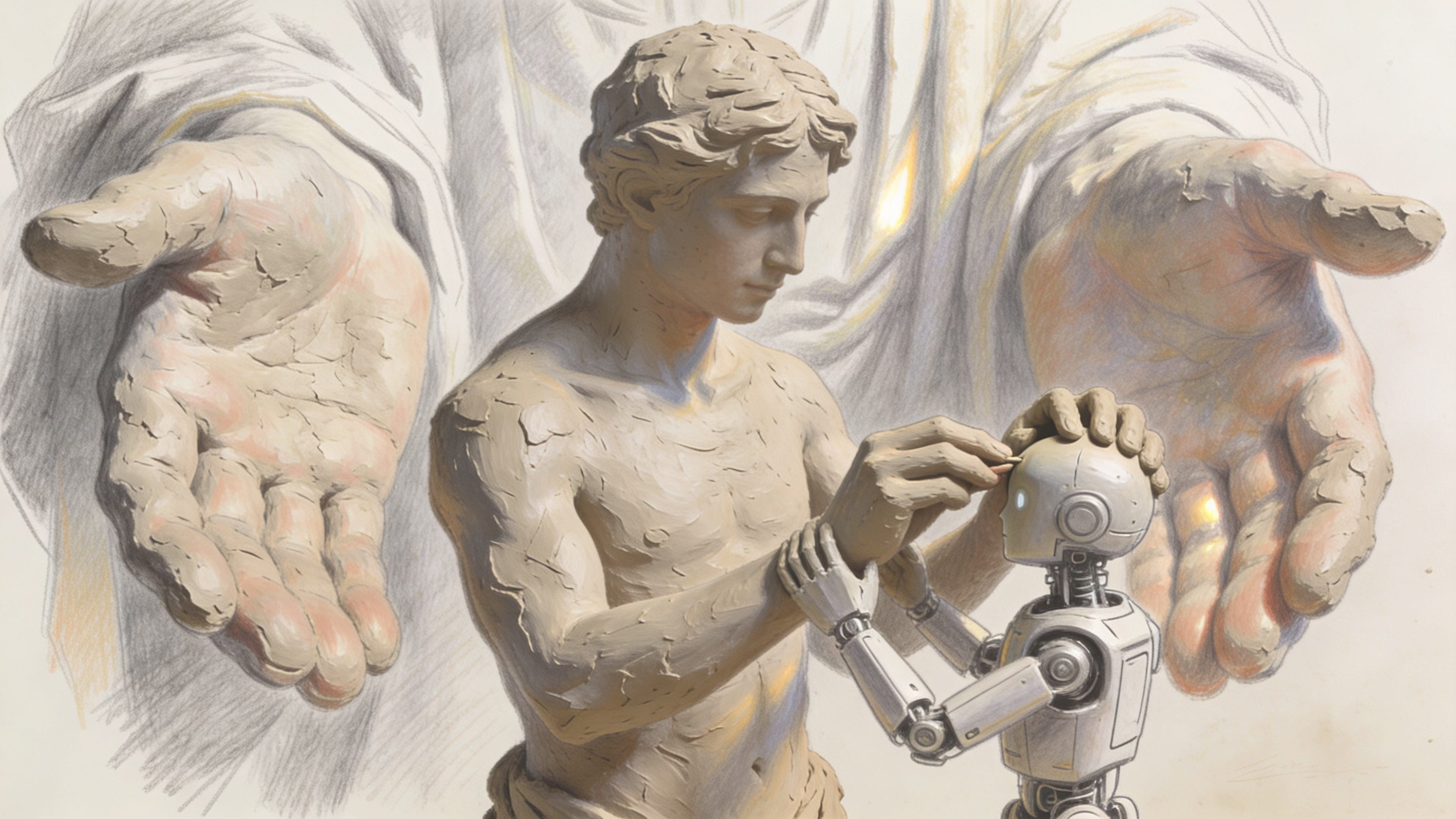
At the end of the Cornhill year we run short sessions called Hot Topics. This is where the students can propose topics, questions or subjects they would like to think about. The students then vote on which of the posed questions most sparks their interest. The range is phenomenal, it can be anything from ‘How do you maintain friendships in ministry?’ or ‘Is bi-vocational possible without just doing two full time jobs?’ to more practical issues like, ‘Can you offer some sane counsel on divorce and remarriage in the church?’
This year we had the question, ‘What are the big theological debates coming over the horizon?’ This is something I have been thinking about a lot and here is an expanded version of my attempt to answer. This is less prophetic as this wave is already lapping, but has not yet concretised into the rogue wave it is swelling to be.
"I believe in Christianity as I believe that the sun has risen: not only because I see it, but because by it I see everything else." C.S. Lewis
If you asked what the biggest theological issue of the first thousand years of Christianity was, most would answer, Who is Jesus Christ? The early Church spent centuries wrestling with that question, not as an abstract exercise, but because everything depended on it. Who exactly is the one we worship? The issue was Christology.
Then, from roughly the Reformation onwards, the question shifted. Not, ‘Who is Christ?’ but, ‘How are we saved?’ Grace, faith, works, justification, the great theological controversies of those five hundred years were concentrated on Soteriology.
Today, the dominant question has shifted again. We live in an age preoccupied with What is a human being? Every major controversy of our time circles back to theological anthropology, the self, the body, freedom, identity, sex, consciousness, dignity, race, the relationship between biology and personhood. Much of contemporary culture is engaged in a massive argument about what it means to be human, whether it realises it or not.
But here is the question that interests me more, What comes next?
I think there are good reasons to believe the next great theological debate will not be about Christ, salvation, or even humanity. It will be about something more fundamental still.
It will be about “creature-hood”.
For most of Christian history, human limitation was simply a fact. You were born finite, embodied, mortal. Your intelligence was largely given, so was your body, your lifespan, your place in the world. Everyone understood themselves, at some basic level, as a creature, dependent, received, bounded. These were not conditions to be solved. They were the conditions under which human life was unavoidably lived.
Something unprecedented is now happening. For the first time in history, humanity is acquiring powers that previous generations would have associated with the gods. Altering genes, redesigning embryos, creating systems that imitate thought, potentially extending lifespan indefinitely, generating synthetic realities. Whether these technologies fully succeed is almost beside the point. What matters is that they are changing our self-understanding at the root.
The old assumption was, I am given. The emerging assumption is, I am constructed. The old question was, Who am I? The new question is, Who do I want to become? And eventually, with an audacity previous ages would have found unthinkable, Why should there be any limits at all?
It is worth pausing to notice that Hollywood has been working through these questions for decades. Filmmakers, it turns out, have been far more alert to what is coming than most theologians. While the Church has often been reactive, reaching for responses only after the questions have already reshaped the culture, screenwriters and directors have been doing anticipatory theology without calling it that. They have been asking, in the dark of the cinema, exactly the questions the Church should have been raising in the light.
Christianity has never opposed technology as such. The Church embraced books, universities, medicine, and scientific inquiry, not always instantly but eventually. The question of our age is not principally technological, it is theological.
What parts of human life are gifts to be received, and what parts are raw materials to be redesigned?
That question touches everything, ageing, disability, intelligence, reproduction, death, and eventually the definition of the human species itself. It is a question our tradition has never had to answer at this scale.
Consider artificial intelligence. The biggest theological question about AI is not whether it becomes conscious, that is a distraction. It is what AI reveals about us.
For centuries, many assumed that what made humans unique was intelligence, reason, language, problem-solving. Now machines perform many of those functions better than any and all of us. Whether they truly understand is almost irrelevant, because the fact that they can imitate these capacities so convincingly forces a deeper question, Was intelligence ever really the ground of personhood? And if not, what is?
Is personhood self-awareness? Memory? Embodiment? Relationship? A soul? Being known and named by God?
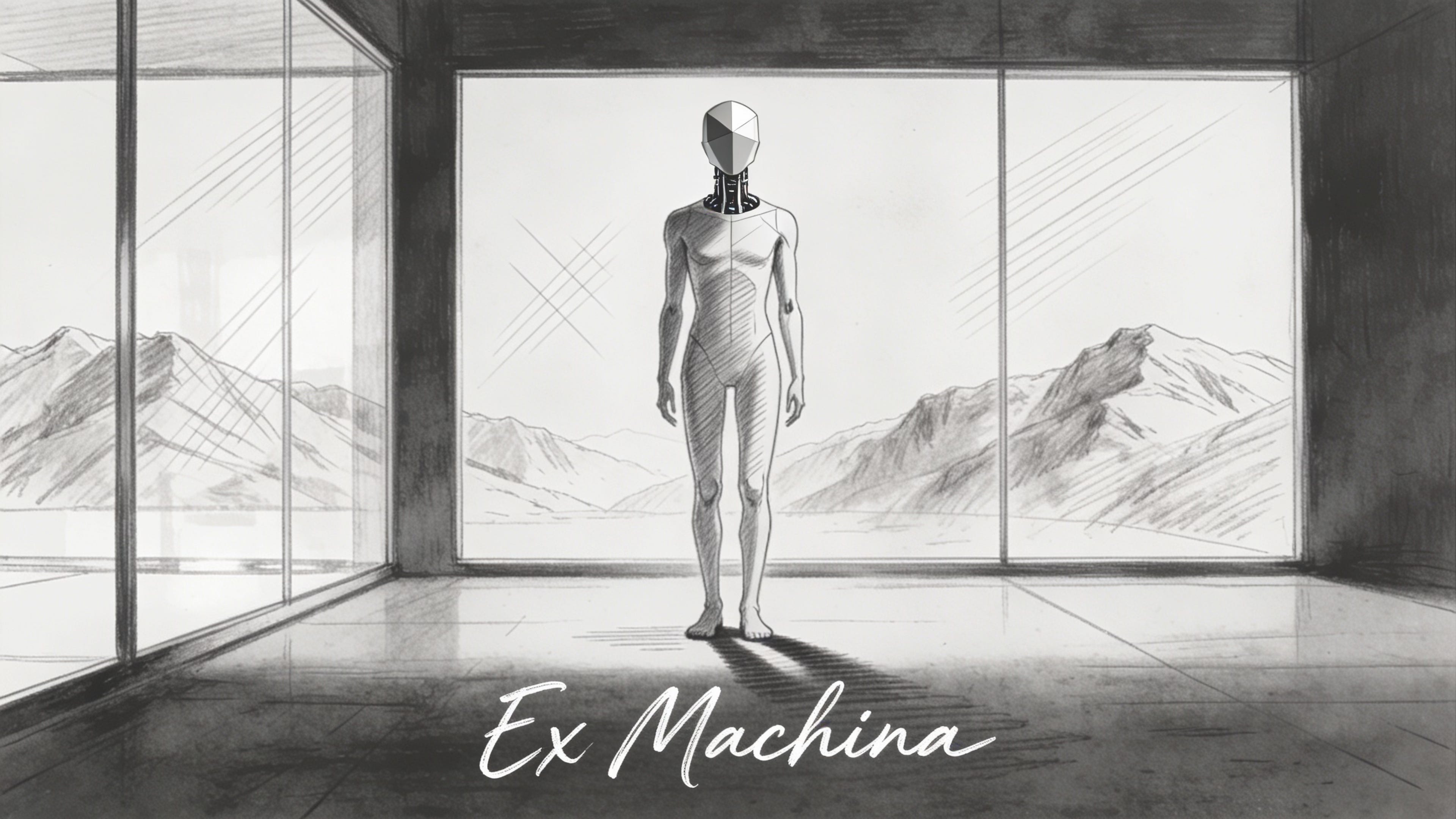
Ex Machina put this question on screen with surgical precision. Its AI, Ava, is indistinguishable from a person in every observable way. The film’s disturbing conclusion is not that she might be human. It is that we cannot say with any confidence what the difference would be. It refuses to answer the question. It simply refuses to let us avoid it any longer.
AI does not answer these questions either. But it forces us to notice that we were never quite sure of the answers in the first place.
Or consider death. For most of history, mortality was unavoidable. Today many treat ageing as a technical problem awaiting a solution, and there are serious efforts to extend life dramatically. At the wilder edge lie dreams of digital immortality, uploading consciousness, preserving minds, escaping biology altogether.
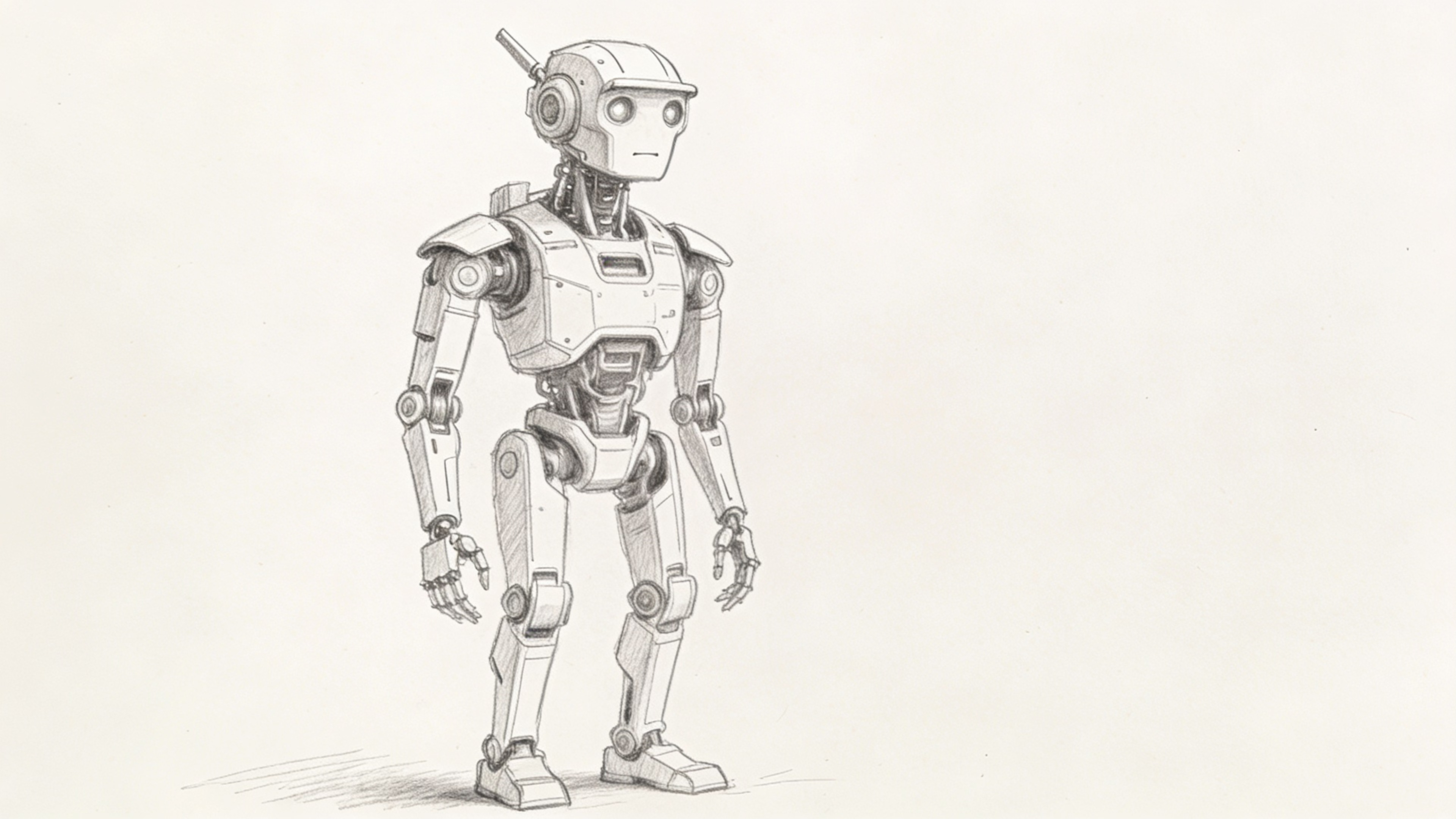
Neill Blomkamp’s Chappie played this out with an almost naive directness. At the end of the film, Deon (Dev Patel) is dying and in desperation he uploads his mind into a robot body and runs away excitedly with Chappie. Problem solved. What the film cannot quite contain, and to its credit seems to sense, is the question it has just opened, Is that the same person? Is continuity of memory the same as continuity of self? If the body was not incidental to who you were, what exactly survived the transfer?
At the grander scale, James Cameron has returned three times to the world of Avatar, where consciousness can be downloaded into a genetically engineered body, identity is fluid across biological forms, and the self is essentially separable from any particular flesh. It is a deeply Gnostic vision. The real you is the inner you, the body is merely a vehicle. Two of these three films are the first and third top-grossing films of all time. That is not a trivial cultural signal.
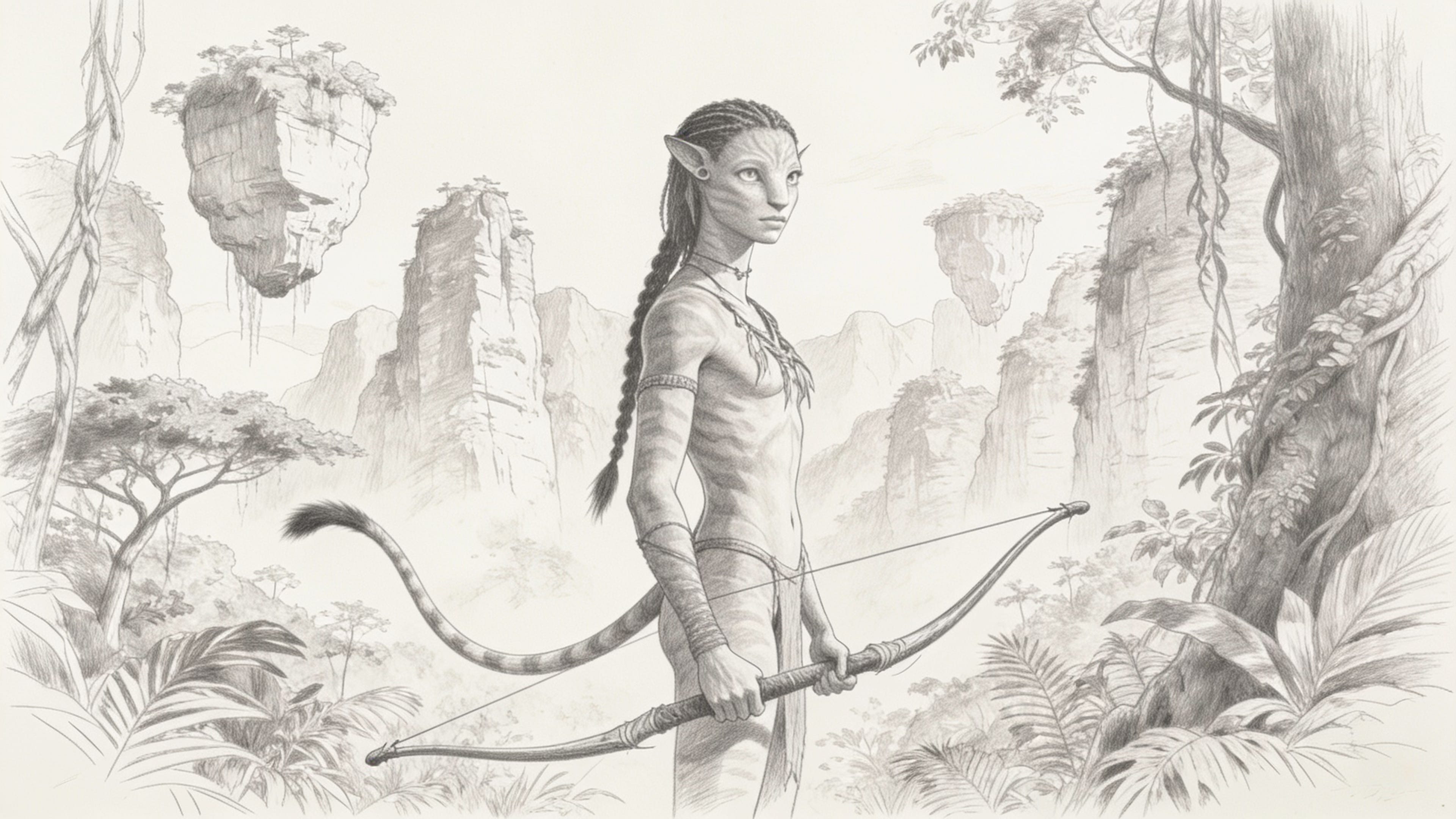
Taken together, these stories reveal a civilisation increasingly convinced that salvation can be engineered, that transcendence can be manufactured, that mortality is simply a bug in the system.
Christianity has something precise to say here. It does not promise the indefinite extension of the present life. It promises resurrection. These are not the same thing, and the difference is not incidental. One vision says, keep this life going forever. The other says, God will make all things new. One is optimisation. The other is new creation. One seeks escape from limits. The other receives existence as gift from beyond itself. Cameron and Blomkamp are brilliant storytellers, but they are offering Gnosticism with better special effects. The Church needs to be able to say so clearly, and to say why it matters.
Beneath all these debates lies a single spiritual conflict. Not between religion and science, or between faith and technology, but between two rival visions of what human life fundamentally is.
One vision says, life is a gift. You receive yourself before you define yourself. You are a creature before you are a creator. The self is not a project but a given, and meaning comes through relationship with the God from whom the gift comes.
The other vision says, life is a project. The self is something to construct. Limits are obstacles. Identity is self-authored and meaning is self-generated.

Two films, made a decade apart, imagined what happens when humanity successfully removes all friction from existence.
In The Matrix, humans are suspended in pods, their bodies irrelevant, their minds fed a seamless simulation of life that is entirely false.
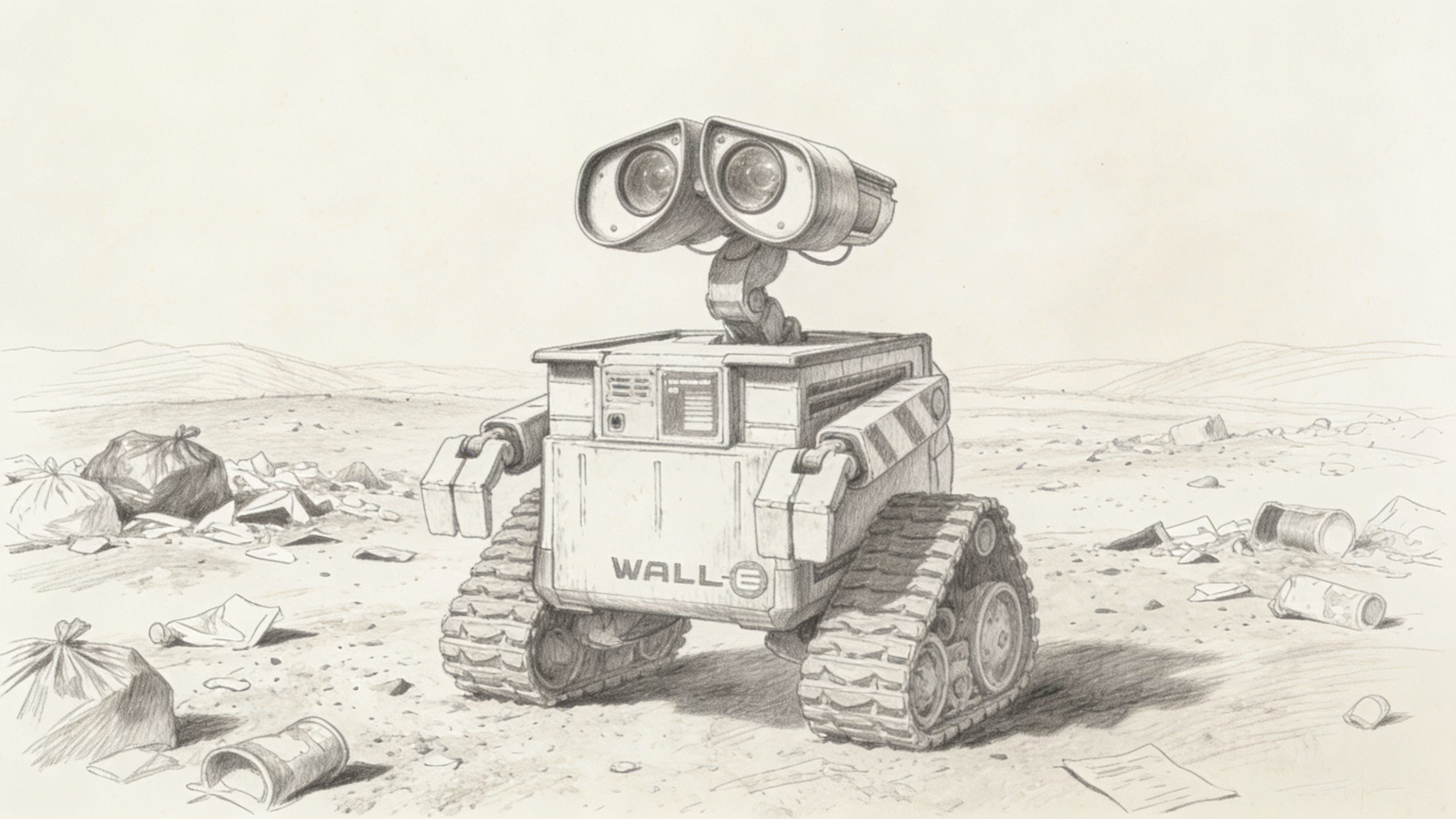
In Wall-E, the vision is gentler but in some ways more troubling: humanity drifting in chairs on a vast spaceship, entertained, fed, and waited upon, having long since stopped walking, working, or touching the earth. No villain engineered this particular catastrophe. People simply chose comfort, incrementally, until the capacity for anything else had atrophied. Both films ask the same question: if you remove all the difficulty, all the limitation, all the resistance that makes genuine life possible, what exactly is left? The Matrix answers with horror. Wall-E answers with a kind of mourning. Neither is reassuring.
Gattaca, made in 1997, understood a related but distinct dimension of this conflict. In its world, genetic enhancement has become routine and the unenhanced are treated as defective. The film asks, with quiet devastation, what is lost when we treat biological limitation as a problem to be engineered away rather than a condition to be inhabited with dignity. It is a more searching treatment of what it means to be a creature than most Sunday sermons.
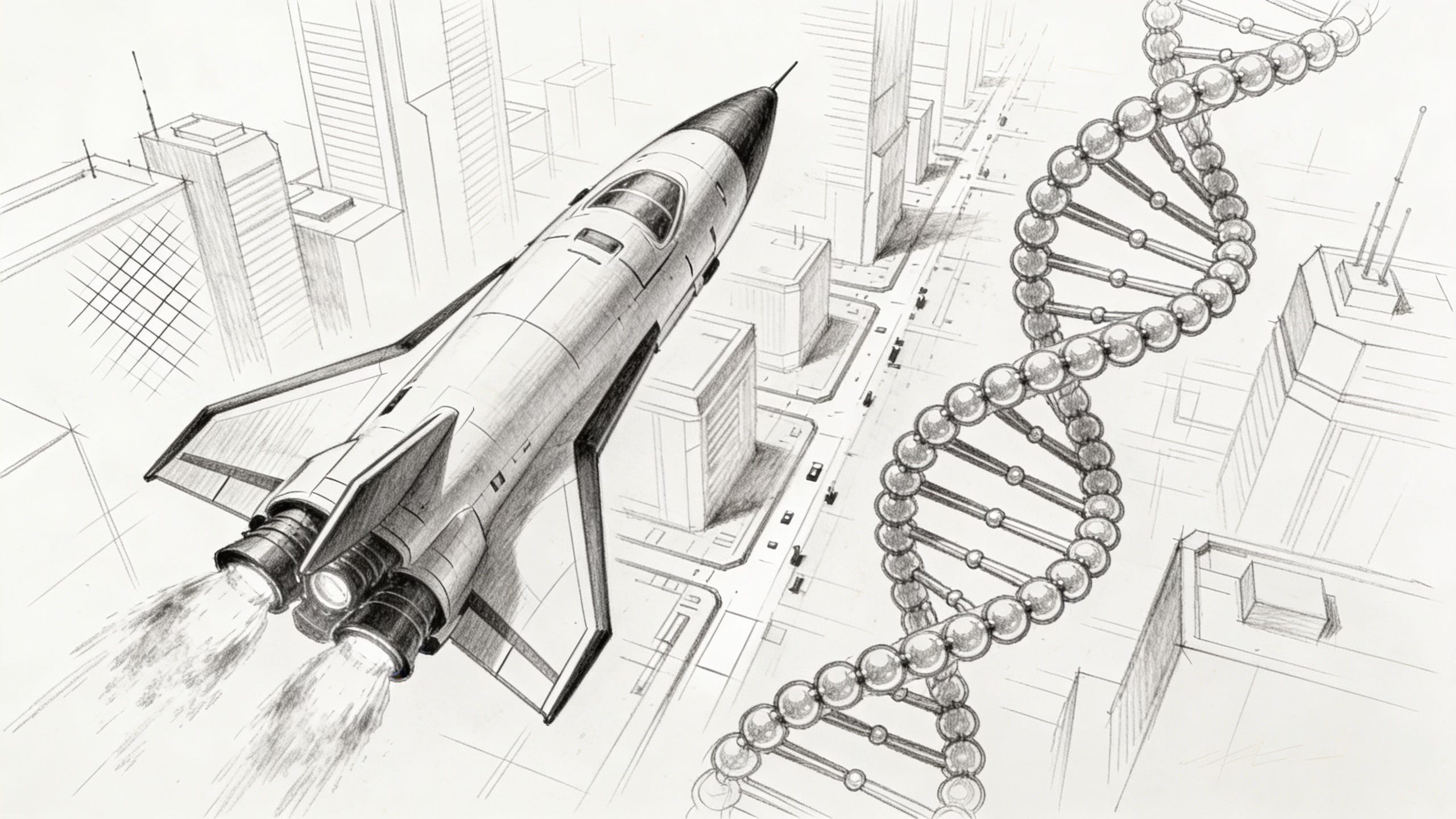
These two visions can coexist for a while. But eventually they collide, because they begin in completely different places. One begins with gratitude; the other with mastery. One with dependence; the other with autonomy. One sees creaturehood as the very condition for flourishing. The other sees it as the problem to be solved.
This is why I think the next century’s great theological question will be surprisingly simple.
Not, Who is Christ? Not: How are we saved? Not even, What is a human being?
But, What does it mean to be a creature?
What does it mean to be finite, embodied, dependent? To be given rather than self-made, to live within limits that are not failures but features of created existence?
The coming debates about AI, biotechnology, enhancement, longevity, and ecology will all eventually converge on that question. Once humanity has the power to remake itself, the deepest issue is no longer capability. It is wisdom. Not what we can do, but what we should become, and why.
We are back at the gates of Jurassic Park with the eerie question still looming over us. ‘Just because we can, doesn’t mean we should.’
Christianity’s most important contribution in the coming century will not be to reject technology or retreat from the future. It will be to hold open a vision of human existence that the world is in danger of losing entirely, that the highest form of life is not self-creation but communion. That freedom is not the absence of limits but the capacity to flourish within the truth of what we are, that before we are inventors, consumers, or individuals, we are creatures who receive our lives from beyond ourselves.
The filmmakers got there first. For over thirty years, in multiplexes around the world, audiences have been sitting in the dark watching stories about what happens when humanity decides that creaturehood is optional. Those films are not warnings from the outside. They are a mirror. The restlessness they depict is already in us.
The Church’s task is not to react to that restlessness with alarm, nor to dismiss it with easy answers, but to understand it deeply enough to speak to it. To offer, with both intellectual rigour and genuine warmth, the thing the best of those films are actually reaching for, not escape from creaturely limits, but the discovery that those limits are where life is.
And perhaps most countercultural of all, that this is not a diminishment.
It is the doorway to everything.
The Plains of Shinar, Again
There is an old story that has never stopped being relevant.
In Genesis 11, humanity gathers on the plains of Shinar with a single, intoxicating vision. They share one language, one purpose, and one ambition - to build a tower whose top will reach the heavens. The project is not presented as evil in any obvious sense. There is no bloodshed, no idolatry, no obvious moral failure. What God observes is something subtler and in some ways more alarming. “Nothing that they propose to do will now be impossible for them.” The danger is not malice. It is capability uncoupled from creaturehood. It is the human project pursuing transcendence on its own terms, by its own means, answerable to nothing beyond itself.
We are back on edge of the plains of Shinar once again.
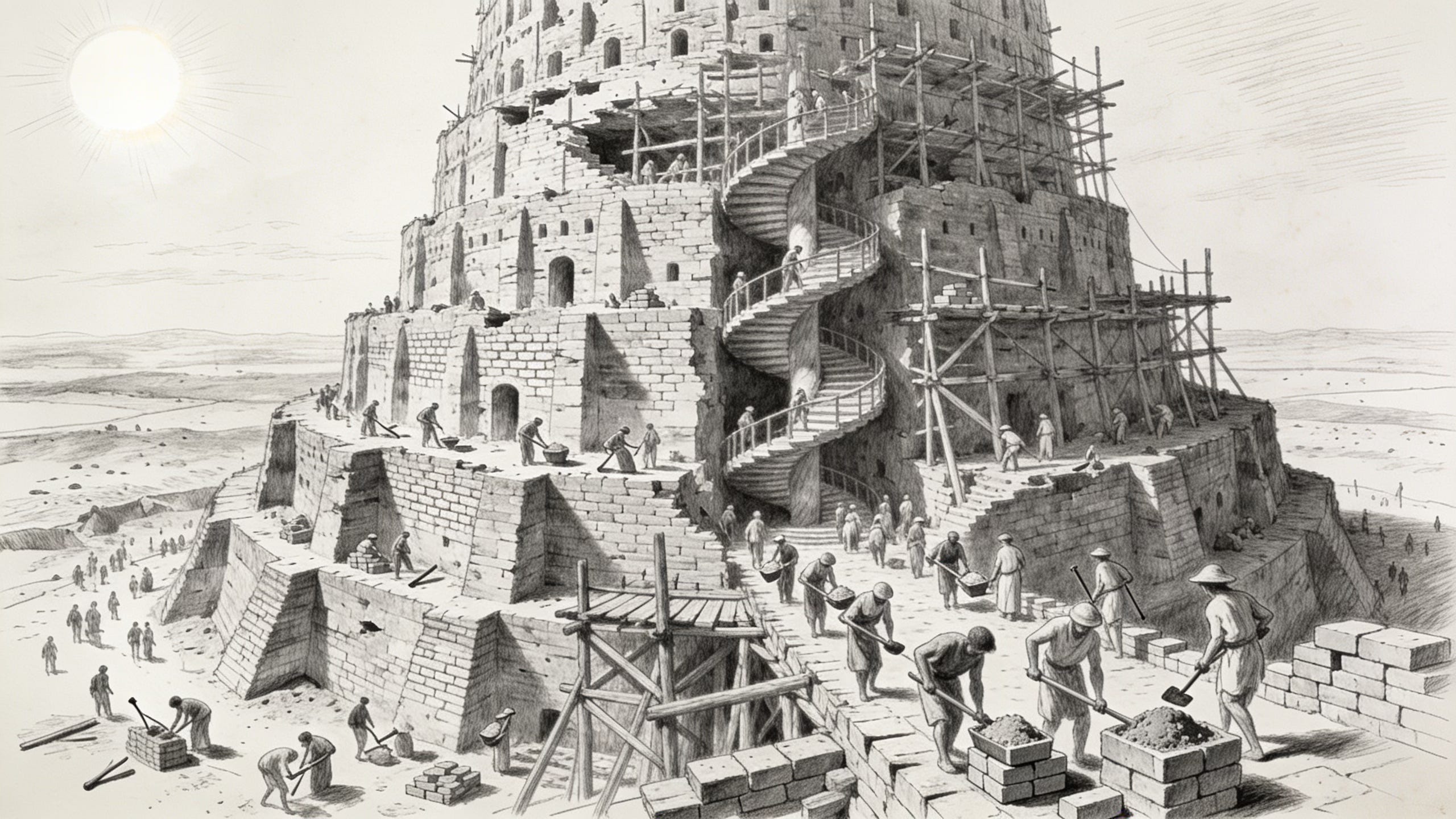
The language is different now. We speak in code, in algorithms, in the vocabulary of enhancement and optimisation and human flourishing. But the underlying grammar is the same. A unified global civilisation, sharing tools and platforms and ambitions, is engaged in a coordinated attempt to build its way out of creaturely existence. The tower has many names, artificial general intelligence, radical life extension, genetic self-redesign, digital consciousness, the technological singularity. What unites them all is the same ancient conviction that the limits of creaturehood are not gifts to be received but obstacles to be overcome.
God’s response at Babel was not primarily punitive. It was diagnostic. He looked at what humanity was building and named what it revealed about the human heart, the refusal of dependence, the rejection of givenness, the desire to secure by human effort what can only be received as grace. The scattering that followed was not simply a punishment. It was a mercy, because a humanity that successfully builds its way to heaven has not found God. It has only succeeded in forgetting why it needed him.
The Church stands at this moment with something irreplaceable to offer, but only if it understands the moment clearly. This is not a time for culture-war reflexes or for anxious hand-wringing about technology. It is a time for the kind of theological clarity and pastoral courage that the Babel story itself demands. The question on the plains of Shinar was never really about architecture. It was about worship. Who or what is ultimate? From where does human dignity actually derive? What kind of being are we, and what kind of future are we being called into?
Those are not new questions. They are the oldest questions. And the Christian answer has not changed, we are creatures, made for communion with our Creator, and our greatness lies not in escaping that condition but in inhabiting it fully. The tower will not save us. It never could. But the one who scattered the builders at Babel is also the one who, at Pentecost, gathered them back together across every language and tribe and nation, not by human ambition but by divine gift.
That is the story the Church has to tell. It is more than adequate for the moment. The only question is whether we will tell it with the clarity and the confidence it deserves.