
Letter 1: Dear David...
Chapter 1 - Scrolling with Jesus

Today (8th May 2026), David Attenborough turns 100 years old. Below is an open letter written to this national treasure commending the gospel.
This is chapter 1 of a book called ‘Scrolling with Jesus…’ You can download the whole thing here.
Luke 12:22-24
22 And he said to his disciples, “Therefore I tell you, do not be anxious about your life, what you will eat, nor about your body, what you will put on. 23 For life is more than food, and the body more than clothing. 24 Consider the ravens: they neither sow nor reap, they have neither storehouse nor barn, and yet God feeds them. Of how much more value are you than the birds! 25 And which of you by being anxious can add a single hour to his span of life? 26 If then you are not able to do as small a thing as that, why are you anxious about the rest? 27 Consider the lilies, how they grow: they neither toil nor spin, yet I tell you, even Solomon in all his glory was not arrayed like one of these. 28 But if God so clothes the grass, which is alive in the field today, and tomorrow is thrown into the oven, how much more will he clothe you, O you of little faith! 29 And do not seek what you are to eat and what you are to drink, nor be worried. 30 For all the nations of the world seek after these things, and your Father knows that you need them. 31 Instead, seek his kingdom, and these things will be added to you.
32 “Fear not, little flock, for it is your Father’s good pleasure to give you the kingdom. 33 Sell your possessions, and give to the needy. Provide yourselves with moneybags that do not grow old, with a treasure in the heavens that does not fail, where no thief approaches and no moth destroys. 34 For where your treasure is, there will your heart be also.
Dear David,
You have spent decades watching the world with more attention than almost anyone who has ever lived.
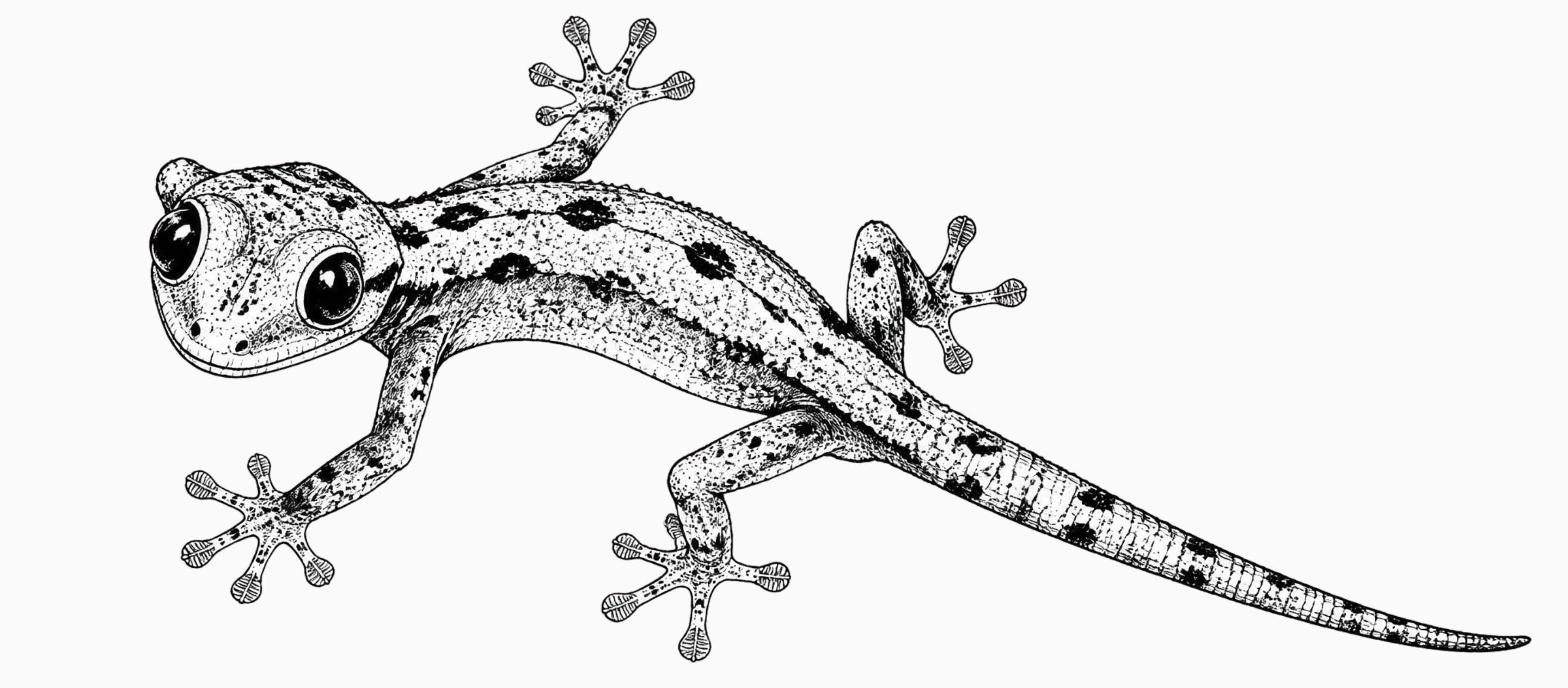
You have crouched in rainforests listening to the calls of birds of paradise. You have walked among mountain gorillas in the mist. You have descended to the ocean floor to witness creatures that live in perpetual darkness, bioluminescent and strange. You have tracked lions across the Serengeti and watched polar bears hunt on melting ice. You have narrated the lives of blue whales and butterflies, of fungi and condors, of creatures so small they can only be seen through microscopes and ecosystems so vast they can only be comprehended from space.
Your voice has become inseparable from the natural world for millions of people. When they think of creation, they hear you describing it with wonder and precision, that characteristic combination of scientific rigour and poetic appreciation. You have shown us the planet in ways we could never have seen it ourselves. You have been a prophet of the natural world, calling us to pay attention, to marvel, to recognise what we are losing.
You are one hundred years old now. You have witnessed changes in the living world that no previous generation could have imagined. Species you filmed in your youth are extinct. Habitats you documented have vanished. The abundance you knew as a young man has diminished catastrophically. You have watched the Anthropocene unfold in real time, and you have sounded the alarm with increasing urgency as the decades have passed.
But I want to draw your attention to something you may have missed, even with your extraordinary powers of observation. A truth that sits at the heart of everything you have spent your life documenting. A reality that explains why the natural world is so magnificent and why its destruction matters so profoundly.
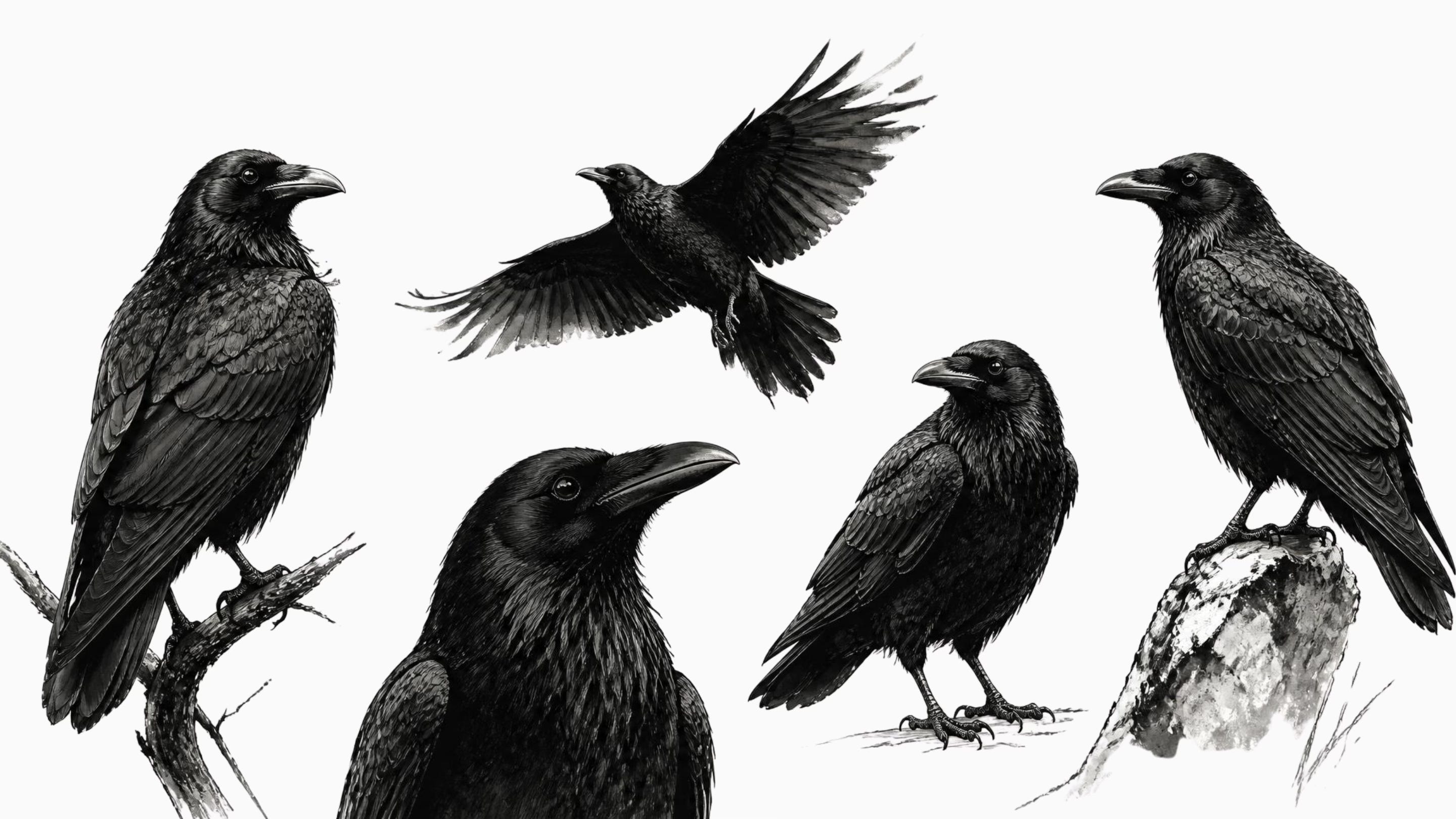
Jesus once said these words to a crowd of anxious people, “Consider the ravens: they neither sow nor reap, they have neither storehouse nor barn, and yet God feeds them. Of how much more value are you than the birds!”
He continued: “Consider the lilies, how they grow: they neither toil nor spin, yet I tell you, even Solomon in all his glory was not arrayed like one of these. But if God so clothes the grass, which is alive in the field today, and tomorrow is thrown into the oven, how much more will he clothe you, O you of little faith!”
You have considered the ravens, David. You have considered the lilies. You have considered ten thousand species with more careful attention than anyone else. You have shown us the intricate beauty of their lives. The extraordinary adaptations. The delicate balance of ecosystems. The stunning variety of forms and behaviours that life has produced.
But have you considered what these words mean? That the God who feeds the ravens is the same God who spoke them into existence. That the beauty of the lilies, which surpasses Solomon’s royal robes, is not an accident of blind evolutionary processes but a gift from the one who clothes the grass of the field.
The natural world you have spent your life documenting is not self-explanatory. Its existence is not a brute fact requiring no further account. The question is not only how life has diversified and adapted, though those are fascinating questions you have helped answer. The deeper question is why there is life at all. Why there is anything rather than nothing. Why the universe is structured in such a way that matter can organise itself into ravens and lilies and David Attenboroughs.
You have said in interviews that you find the natural world incompatible with belief in a loving God. You have spoken of the difficulty of reconciling animal suffering with belief in a loving Creator. The brutality and waste and suffering that are everywhere in nature means that belief in a personal creator God is ‘tricky’. How could a good God have designed such a system?
It is a fair question. An honest one. The kind of question that deserves a thoughtful answer rather than a dismissive platitude.
The Christian faith does not claim that the natural world as we observe it now is exactly as God originally intended it. The opening chapters of Genesis describe creation as “very good,” but they then go on to describe a catastrophic rupture. Human rebellion against God brought corruption into the created order. Paul writes in Romans that “the creation was subjected to futility, not willingly, but because of him who subjected it, in hope that the creation itself will be set free from its bondage to corruption and obtain the freedom of the glory of the children of God. For we know that the whole creation has been groaning together in the pains of childbirth until now.”
The natural world groans. You have heard that groaning more clearly than most. You have documented the extinctions and the habitat loss and the warming climate. You have watched coral reefs bleach white and die. You have seen forests burn and ice sheets collapse. The groaning has intensified during your lifetime until it has become almost unbearable.
But why does this groaning matter? If nature is simply the product of blind material forces, if there is no creator who cares about ravens and lilies, why should we care if species go extinct? Why does the destruction of a rainforest represent a genuine loss rather than just one more meaningless rearrangement of matter?
You care deeply, and rightly so. Your whole life and work testify to the profound value of the natural world. But that caring requires justification. It requires a framework in which the lives of creatures genuinely matter, in which ecosystems have intrinsic worth, in which the beauty of a bird of paradise displaying in a forest is significant even if no human ever sees it.
Christianity provides that framework. It insists that every sparrow that falls to the ground is known to the Father. That the Earth is the Lord’s and everything in it. That humanity was given a mandate not to exploit and destroy creation but to serve and keep the garden, to exercise dominion in the way a loving king cares for his kingdom.
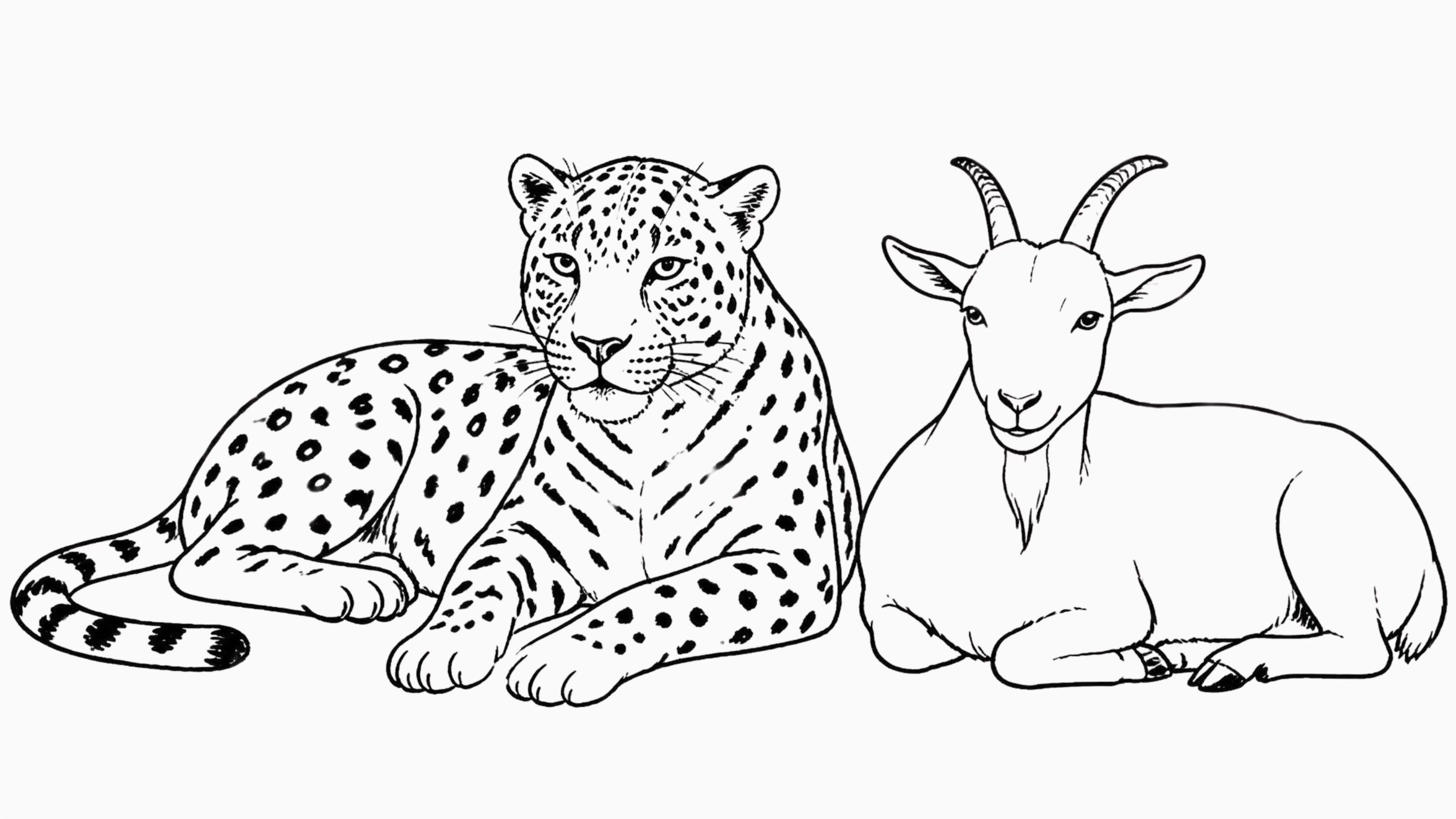
The brutal aspects of nature you have pointed to are real and troubling. But they are not the final word. They are part of the groaning, the bondage to corruption, the brokenness that entered the world through human sin and that will one day be healed. The Christian story does not end with parasitic wasps and infant mortality. It ends with new heavens and a new earth in which death and mourning and crying and pain will be no more. In which the wolf will dwell with the lamb, and the leopard will lie down with the young goat.
This is not escapism or wishful thinking. It is the promise of the one who made the ravens and the lilies, who became incarnate as a human being, who walked this groaning earth and experienced its suffering firsthand, who died and rose again to inaugurate the restoration of all things.
Jesus said, “Do not be anxious about your life, what you will eat, nor about your body, what you will put on. For life is more than food, and the body more than clothing.” Then after telling his listeners to consider the ravens and the lilies, he said something even more striking: “Fear not, little flock, for it is your Father’s good pleasure to give you the kingdom. Sell your possessions, and give to the needy. Provide yourselves with moneybags that do not grow old, with a treasure in the heavens that does not fail, where no thief approaches and no moth destroys. For where your treasure is, there will your heart be also.”
Your treasure has been the natural world, David. Your heart has been there. You have accumulated an extraordinary wealth of knowledge and experience and wonder. You have given away that wealth generously through your films and books and lectures, helping millions of people see creation as you have seen it.
But Jesus points to a treasure that does not grow old. A kingdom that cannot be destroyed by human carelessness or climate change or the heat death of the universe. He points to the God who feeds the ravens and clothes the lilies and who values human beings infinitely more.
You are now a century old. You have lived an extraordinary life. You have seen wonders that few people will ever witness. You have used your gifts magnificently to increase human understanding and appreciation of the natural world. But you are approaching the end of your earthly journey, and the question that matters most is not what you have observed but what you have treasured. Not what you have documented but whom you have trusted.
The God who feeds the ravens has also preserved your life. The God who clothes the lilies has given you eyes to see their beauty and a mind to comprehend their biology and a voice to describe them to others. The God who knows when every sparrow falls, has numbered every hair on your head, and has graciously given every day you have lived.
This God became incarnate in Jesus Christ. He walked in the world he had made. He observed it with the same attention you have brought to your work. He spoke of seeds and soil, of birds and flowers, of sheep and fish. He calmed storms and walked on water. He demonstrated authority over the natural order because it was his natural order, created through him and for him.
Then he died on a cross to reconcile all things to himself, whether things on earth or things in heaven. His death and resurrection were not just about saving individual human souls. They were about restoring the entire created order, liberating it from its bondage to corruption, bringing it into the freedom of God’s glory, guaranteeing that creation’s groaning would one day fall silent through renewal.
You have shown us that creation is worth saving. Christianity insists that God agrees with you, so profoundly that he sent his Son to accomplish that salvation.
The natural world you love is not an accident. It is not meaningless. It is not self-explanatory. It is the work of the Creator. It is a beautiful creation marred by sin and groaning in its brokenness, awaiting the restoration that God has promised and begun in Christ.
You have been a faithful witness to creation’s glory. Will you now acknowledge creation’s God?
Jesus concluded his words about ravens and lilies with this invitation: “Seek his kingdom, and these things will be added to you.” Not seeking God’s Kingdom instead of caring about the natural world, but as the proper foundation for that care. Not in opposition to your life’s work, but as the completion of it. Not requiring you to deny what you have observed but inviting you to see it in its full context as the work of a Creator who loves what he has made and who loves you infinitely more than he loves the ravens he feeds and the lilies he clothes.
You have spent a century looking outward at the world with extraordinary attention and wonder. Now, as you approach the end of your earthly life, I urge you to look upward to the one who made all that you have marvelled at. To consider not only the ravens but the God who feeds them. To contemplate not only the lilies but the God who clothes them.
Your voice has called millions of people to care about creation. Let it now point them, and yourself, to the Creator. Let your final testimony be not only that the natural world is magnificent and worth preserving, but that it is magnificent because God made it, and worth preserving because God loves it. May your testimony increasingly be that the same God who created blue whales and birds of paradise created you and loves you and invites you to enter his kingdom through faith in Jesus Christ his Son.
You cannot take your films or your knowledge or your reputation with you when you die. But you can take faith. You can take love. You can take hope in the one who promises new heavens and a new earth, the home of righteousness, where creation will finally be liberated from its groaning and will flourish as God always intended.
The ravens are fed by God. The lilies are clothed by God. And you, David Attenborough, are invited to trust the same God who has sustained you all these years and who offers you eternal life in his kingdom.
Consider the ravens. Consider the lilies. Consider the God who made them and you.
And seek his kingdom while there is still time.
In hope and deep respect,
One who knows that the same Jesus who spoke these words about ravens and lilies also said, “Come to me, all who labour and are heavy laden, and I will give you rest,” who promises that everyone who seeks will find, who invites you even now to enter the kingdom and discover that the Creator of the natural world you love is also the Saviour who loves you and who offers you treasure in heaven that will never fade.
The natural world will pass away. Even the sun will eventually burn out. But the kingdom of God endures forever, and you are invited to be part of it.
Seek it now, while you still can.